Sunday, January 15, 2017

The Camera You Have With You

You're out celebrating a friend's birthday. What do you do? Take out your iPhone!

You're rafting down the Colorado River or hiking in the Rockies. What do you do? Take out your iPhone!

You're driving home from work and see a guy in an Elvis costume. What do you do? Take a "grab shot" with your iPhone!

Each of these scenarios support that now familiar adage, The best camera is the one you have with you!

But the iPhone is no longer just a grab-shot camera. It's become a serious tool worthy of your camera bag.

With our iPhones, we can not only take a photo, but we can process it on the spot and, using an array of social media – Facebook, Instragram, Twitter – we can share it instantly with friends and family. This combination of social media and photography is not only fun, but it's also a great way to learn and be inspired by creative work from around the world.

Photography in the pre-mobile era was often a very intentional endeavor that started with the commitment, Today I'm going out to shoot x,y,z.  Part of that commitment meant:

  • Blocking sufficient time to get to the shooting location,
  • Gathering gear,
  • Deciding which cameras to take, and
  • Choosing which lenses to pack,
  • Packing sufficient batteries and SD cards,
  • Stowing a tripod, and
  • Collecting filters, like a polarizer or neutral density. 
  • And all this gear went into a bag (or two!) that I had to lug around all day. Sound familiar? And that is what my day would be about; very intentionally getting out to shoot.

    Of course, I still plan intentional shooting experiences! But, when you compare that intentional scenario from yesterday, with what happens routinely today, well, things can be very different.

    Today, I get up and get on with my day, whether it's work or play, running errands, or just hanging around the house. As the day unfolds, I see things to photograph; the play of light across a clay sculpture my son made in 2nd grade, or a bowl of pears ripening on the kitchen counter. Things that in the past I would have either ignored altogether or just shrugged my shoulders at. (How many times have you said, Dang! I wish I had my camera!)

    Mug Pears
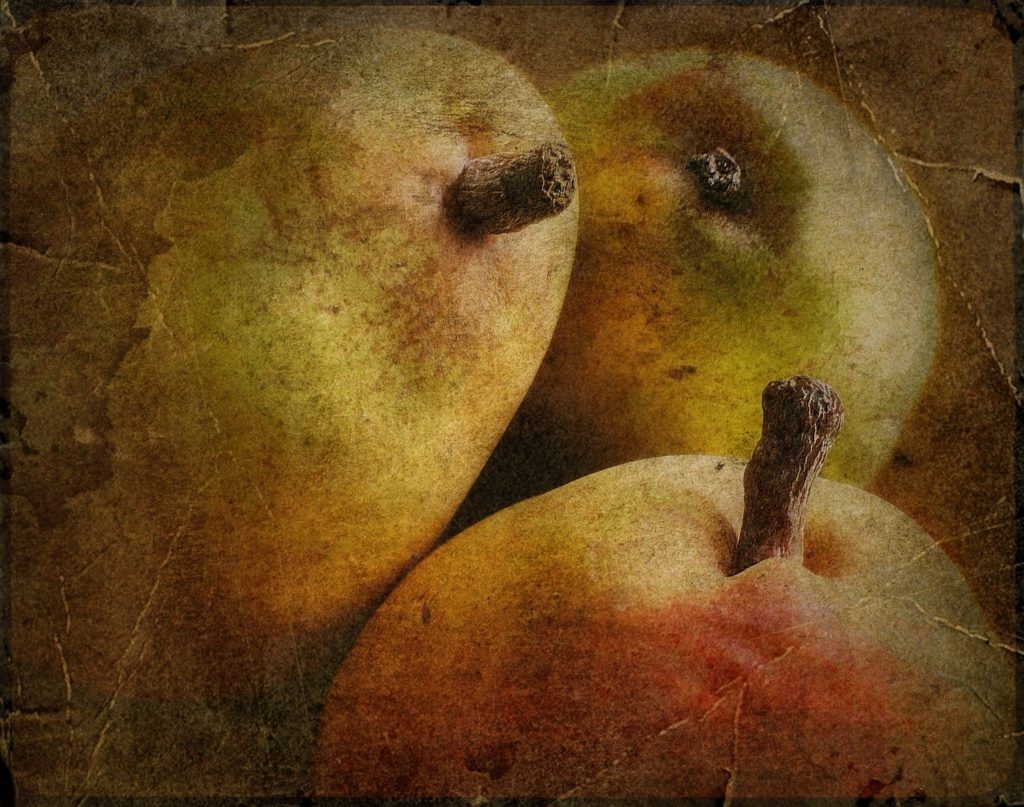
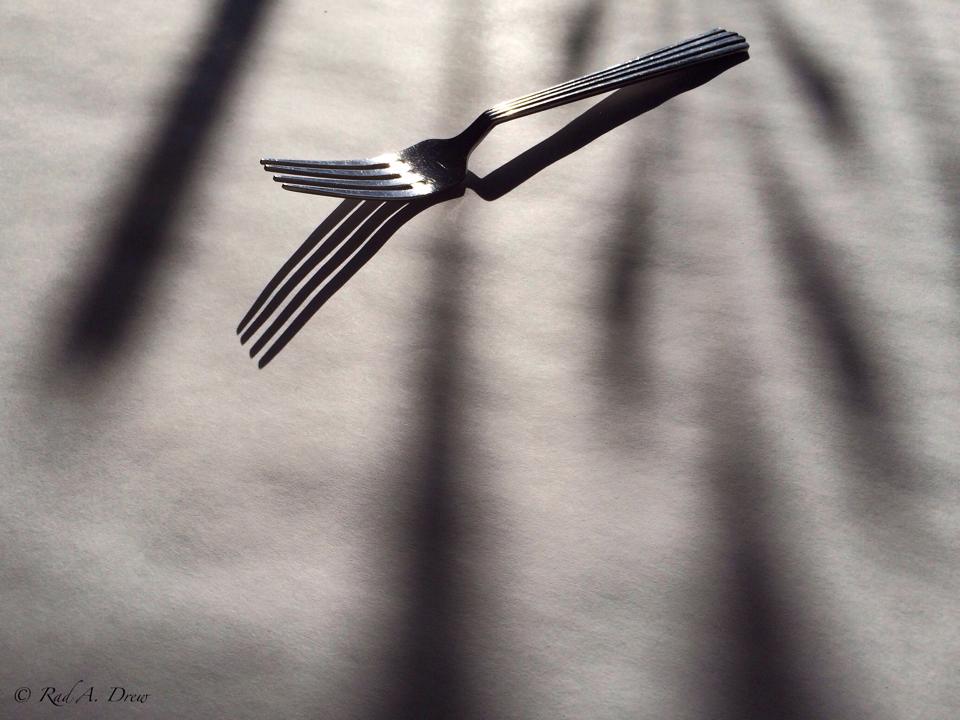
    But today, guess what? We do have our camera! Packed nicely into that ubiquitous device that doubles as our phone. So, today I shoot all the time. I photograph things that I might never photograph otherwise, and not always, but many times, the results are wonderful! Often I find the art in day-to-day life.

    Sisters Fork
    ,

    Succulent

    And, today, when I make a commitment to go out and shoot, you can be sure that my iPhone is one of the cameras I'll shoot with. Many photographers I know, including me, use the iPhone as a sketchpad or like a Polaroid, to experiment with compositions before taking a shot with the traditional camera. But the iPhone is no longer an ancillary piece of gear only to be used when we don't have our "big" cameras handy.

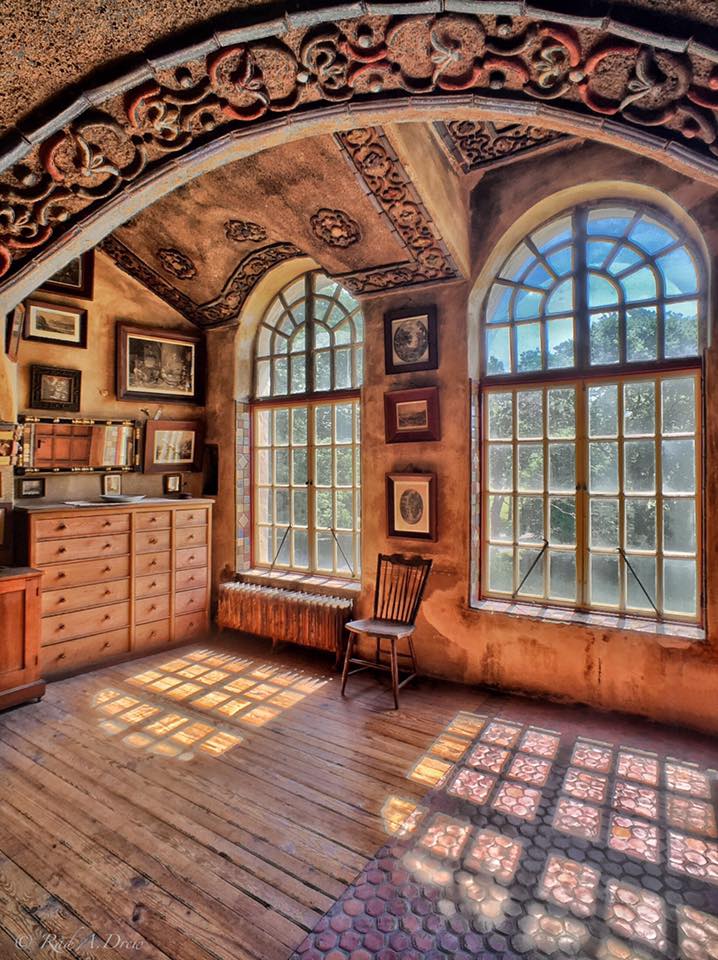
    Many of the images I choose to frame and hang on the wall are iPhone images. In fact, these represent the lion's share of the work I do. Here are a few images from my gallery.
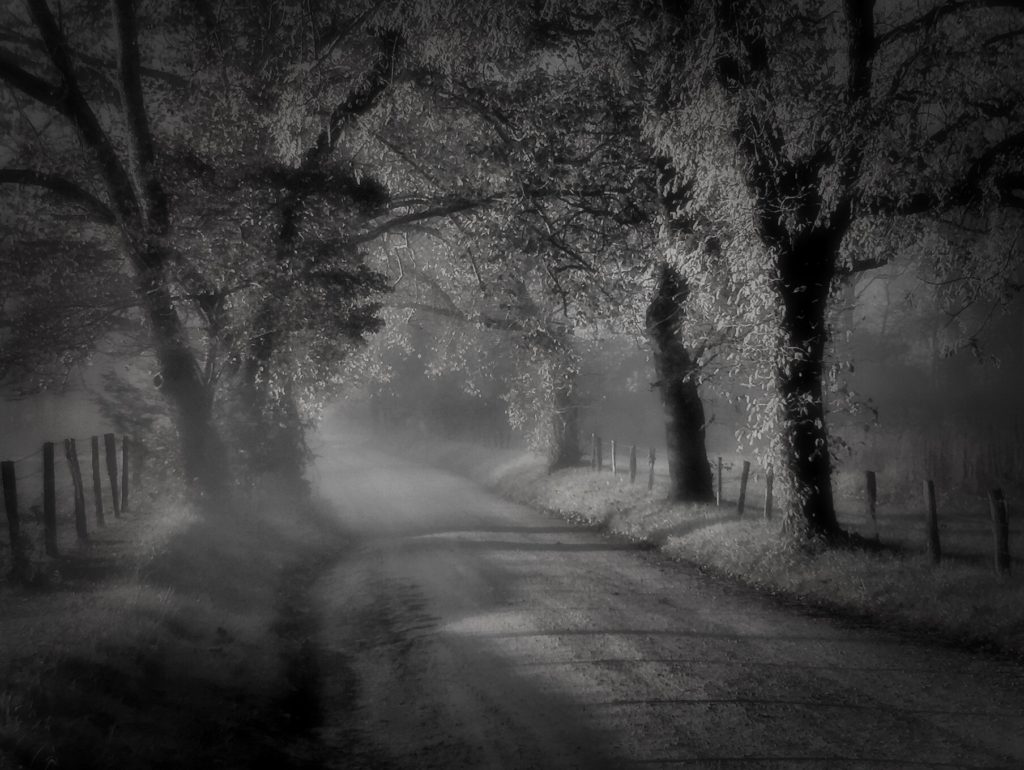
    Cades Cove Cuban Dominos Fonthill Yellow Room Fonthill Annisquam Lighthouse Norman Rockwell-ish Snowy Irvington Bungalow

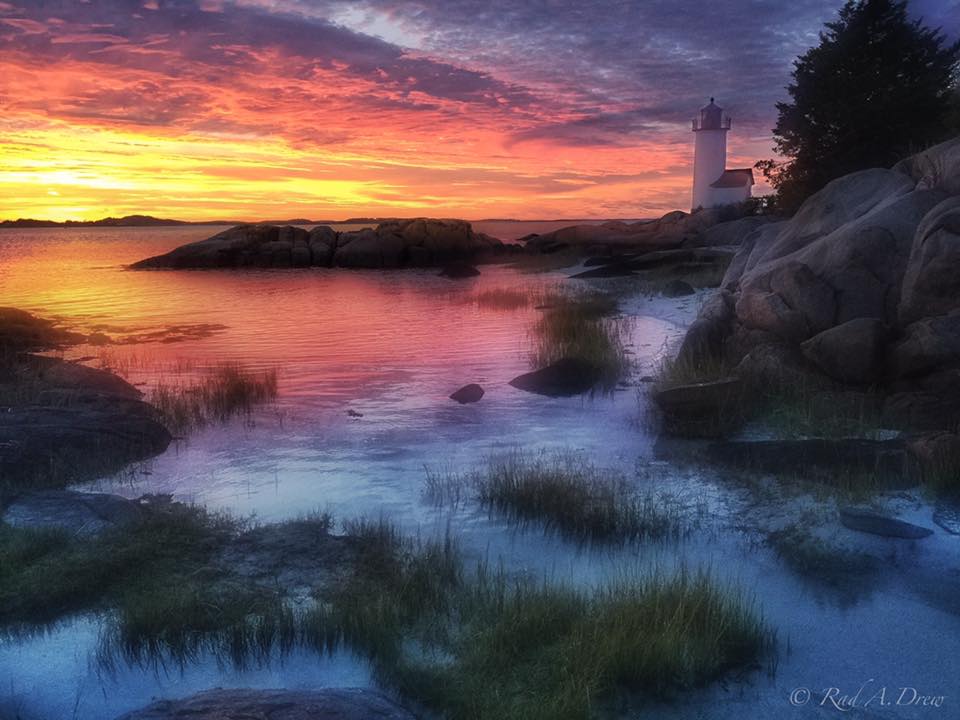
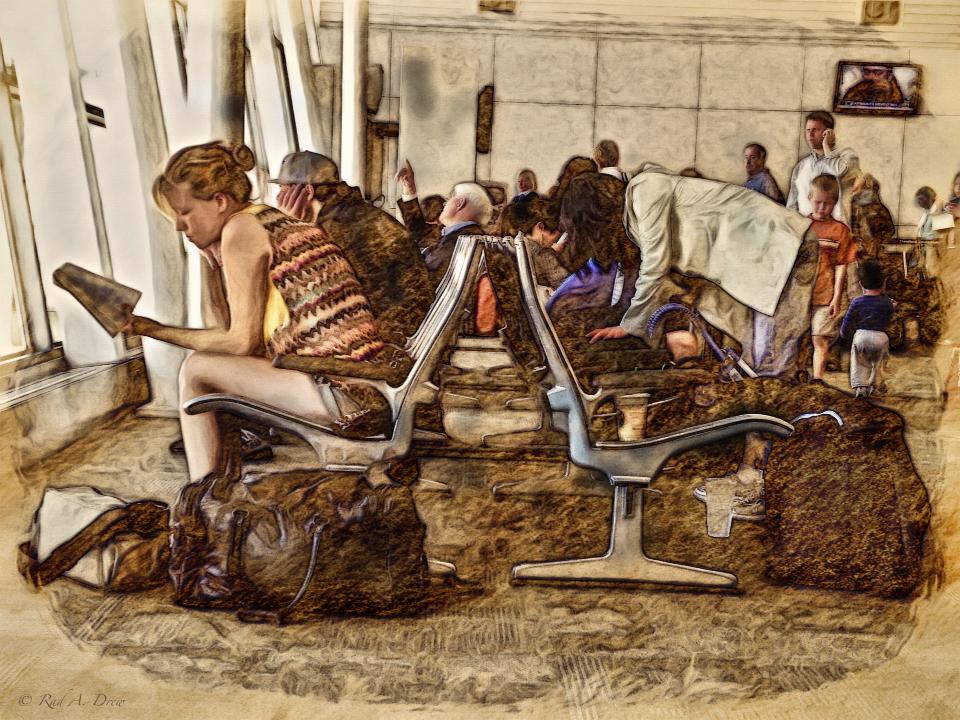
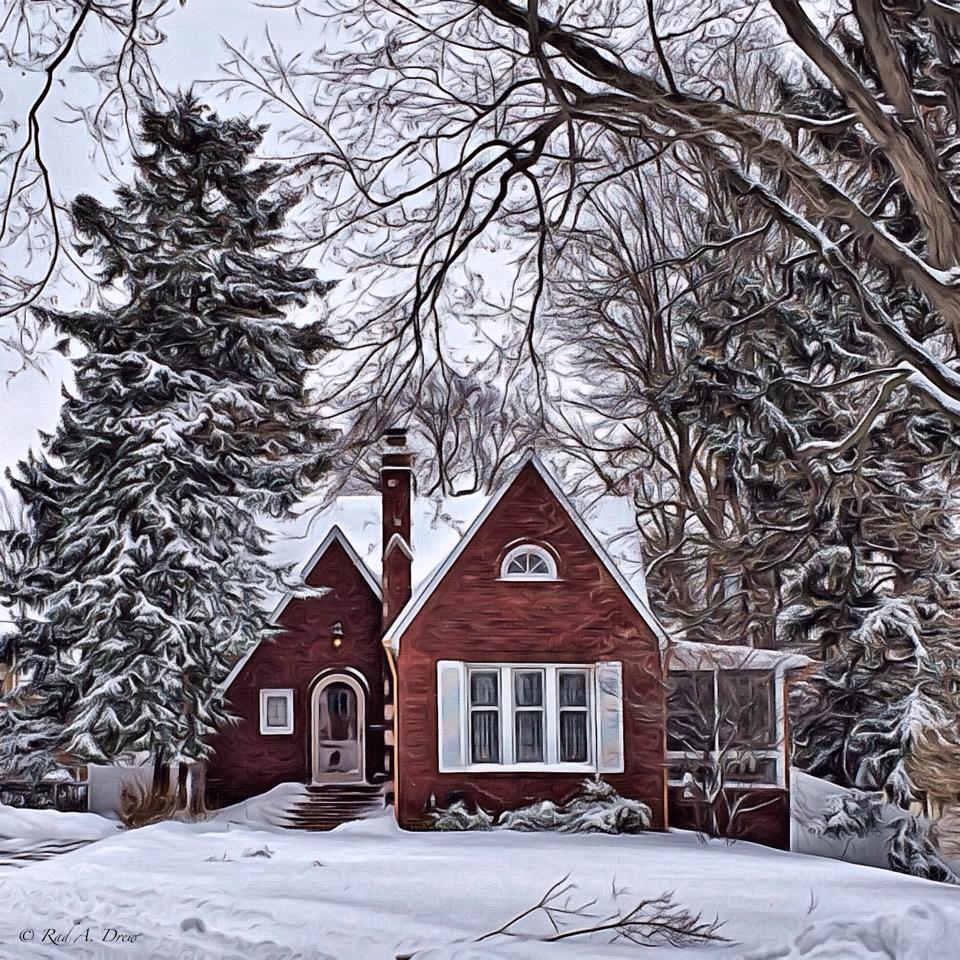
    Another important contribution of the iPhone is that it provides us with opportunities to practice photography. In the old scenario, how often did we set out to shoot intentionally? Four, maybe 5 times a month? Ask yourself this: How frequently do you need to shoot to get good at your craft? Musicians and athletes practice hours a day; some even sleep with their instrument or the ball! Just about anyone who's good at anything spends hours practicing and honing the fundamentals of their craft.

    The iPhone allows us to practice looking for subjects and really seeing, and envisioning possibilities. We can be constant students of composition and light, training our eyes to look for different ways to frame a scene. We can hone our craft and exercise our photographer's brain throughout a typical day. Practicing like this since I began shooting with my first iPhone in 2010 has helped me grow as a photographer.

    But, you say, the iPhone isn't serious photography. It's got a small sensor and can't take the kind of photos that I take with my "big boy" or "big girl" camera. Well, it's true; there are many things the iPhone can't do. You're not going to take it to do typical bird photography where a long lens usually is required, (unless you're photographer, Shirley Drevich, who creates award-winning bird photos with her iPhone).

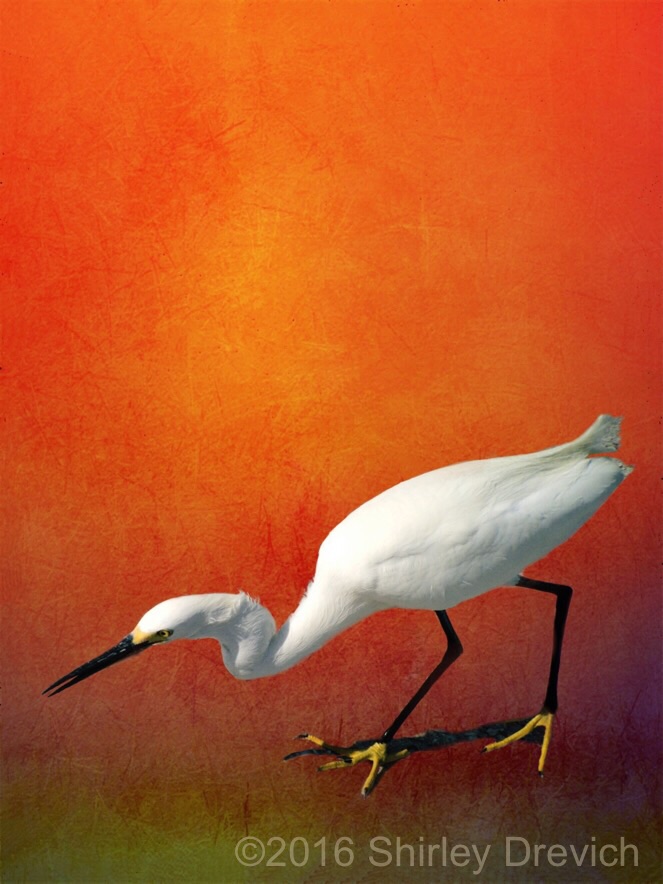
    And the iPhone won't be the camera you choose for shooting a football game from the sidelines, (unless you're Shawn Hubbard, team photographer for the Baltimore Ravens).

    Each year as the technology advances, the iPhone camera's capabilities expand, and enhanced features allow us to do exciting new photography with this compact device.

    The iPhone contains a serious camera and is gaining respect as a tool worthy of any camera bag. Just ask these pros who have been traditional photographers for longer than most of them like to count!
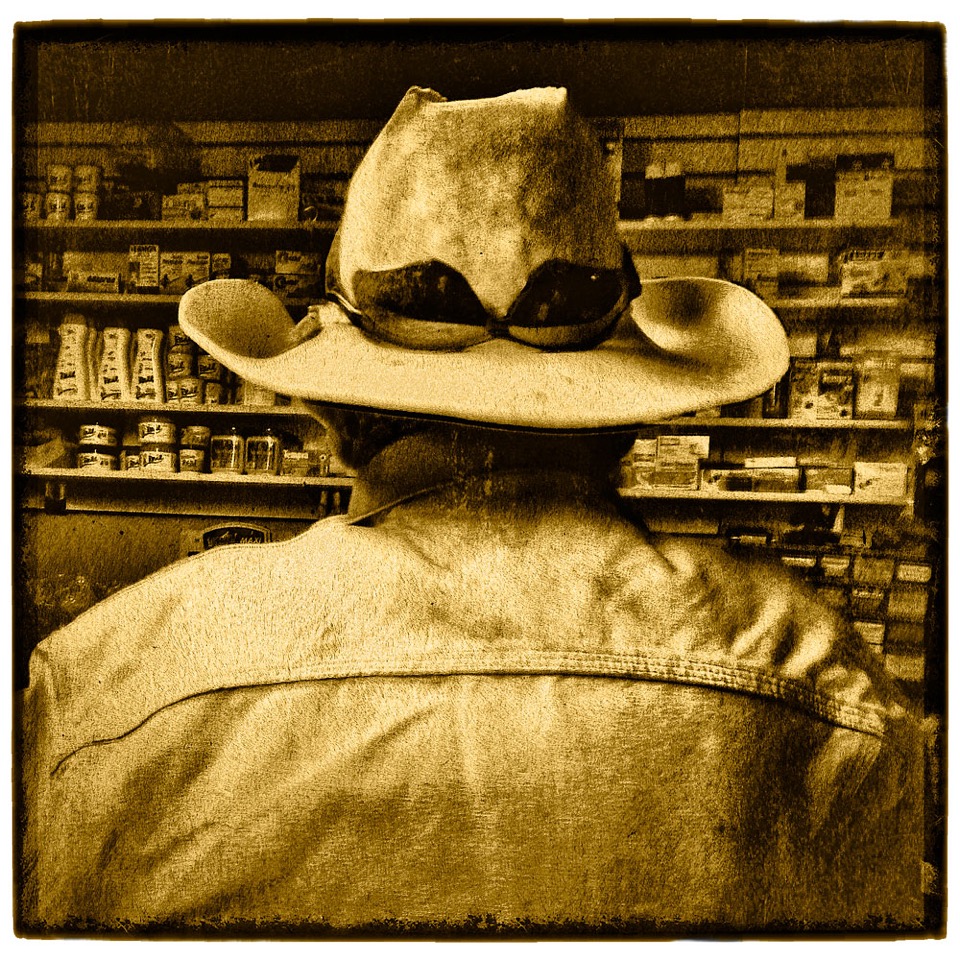
  • John Barclay, veteran photography tour leader, teacher, and speaker. His work, and his presentation Photograph What Makes Your Heart Sing, has inspired photographers around the world. 
  • Dan Sniffin, Fresno, CA, photographer, and teacher, whose remarkable way of seeing has led him to create images that have received recognition from National Geographic and a place in private collections around the world. 
  • Tony Sweet, as a Nikon Legend Behind The Lens, and teacher of his long-running Visual Artistry Workshop Series has taught and inspired thousands of aspiring photographers in his more than 20-year career. 
  • Kevin Raber, adventure photographer and CEO of Luminous Landscape, whose life-long career in photography spans nearly every aspect of the industry. Kevin's one-man show featuring all iPhone photos taken with the Hipstamatic camera app will open in his studio in April. 
  • Karen Messick, photographer, teacher and photographic artist whose creative iPhone photography has encouraged many to take up the art form. 
  • Brenda Tharp, Landscape and Travel Workshop and Tour leader includes the iPhone in her teaching repertoire. 
  • Dan Burkholder, a photographer's photographer, one of the most experienced and respected in the industry, began making iPhone images with his iPhone 3 back in 2007! Since then, he has taught and inspired countless aspiring photographers to create using the iPhone. In addition to leading tours and teaching, Dan turns his iPhone photos into fine art, taking many of them back into the classic darkroom where he prints them as handmade platinum/palladium prints, often combined with gold leaf, palladium leaf and gesso. 
  • Dan Burkholder palladium print

    What do these photographers all have in common besides a lifetime of photography experience at the highest levels? They all embraced the iPhone early on, recognized its potential and how much fun it was, and they use it today as one more useful tool in their camera bag.So, the iPhone brings to us the capability to practice our craft of taking photos. But today, much of the craft or art of making a photo, of creating an image, includes what we do to it after taking it. That is, during (in photographer's lingo) post-processing. 

    The iPhone lets us not only capture a photograph but also create an image using extraordinary post-processing capability. It's like having Photoshop in the palm of our hand: a portable, compact, digital dark room literally at our fingertips.

    There's another aspect of iPhone photography that I want to shine a light on. The iPhone, relative to traditional cameras, is simple to operate and inexpensive to own. It won't break the bank, and one doesn't need to know the entire array of technical photography (f-stops, ISO, depth-of-field, white balance, etc., etc.) to be able to use the iPhone with surprisingly good results. Face it; the world of photography can be a daunting and intimidating place for someone new. Imagine showing up at a camera club meeting to learn, and hearing all this techno-speak. It can make one feel inadequate and incapable of learning photography. I know many people who have given up for this very reason. The iPhone, however, has made photography accessible to nearly everyone, and its relative ease of operation has seduced many into the practice of photography that may never have ventured in.

    Case in point, San Diego photographic artist Robin Robertis . Robin shied away from the big camera experience, but works magic with her iPhone.

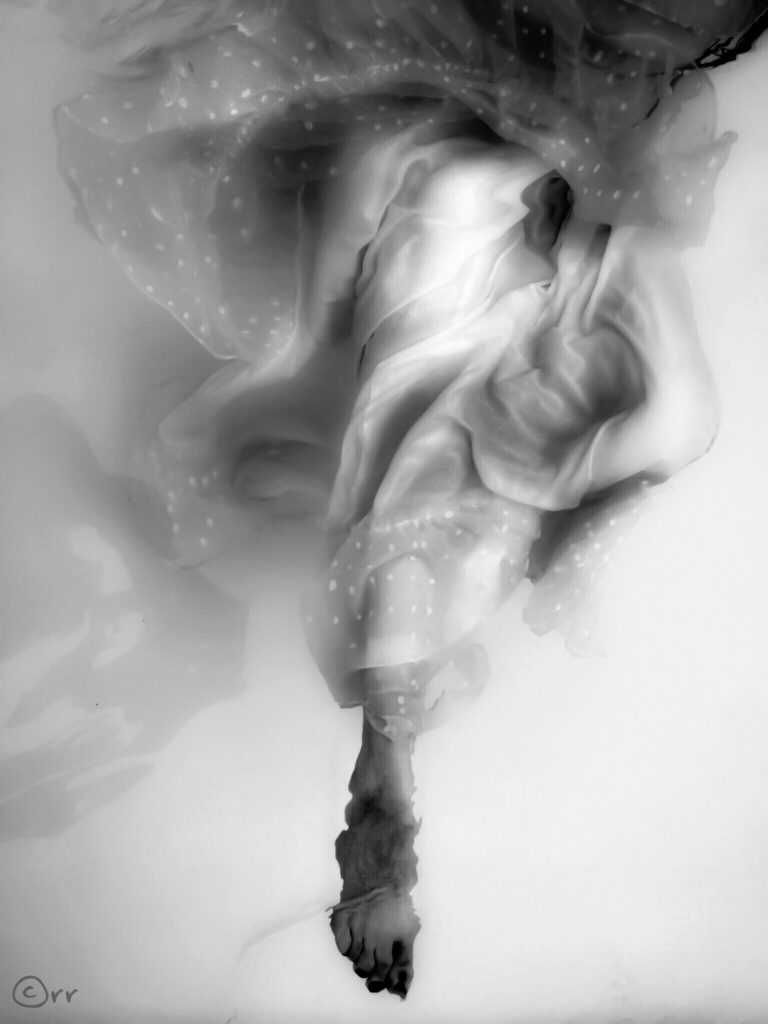
    And I see people discovering or reconnecting with their creative potential all the time. People, like many of us, who've had the experience of being told by a teacher or parent at an early age that they couldn't do or weren't any good at (you fill in the blank; drawing, painting, coloring, etc.) They internalized the belief that they couldn't create and that they weren't creative. I believe that we all are creative beings and that each of us has inside us a creative core that yearns to be expressed. The iPhone has, for many, been the key to their creative source, providing a means of artistic expression.

    I think that the revolution and evolution of photography over the past 10 years is the best thing that has happened with the art and craft since photography was first introduced to the general public in 1839. Sure, we see loads of forgettable photographs, but in that heap, are many that are wonderful and might never have been made were it not for the iPhone. Even those "forgettable" photos are part of someone's learning process, so, in my way of thinking even these are still of value. I see photography as a form of therapy that is less for the viewers than it is an important process for the individual photographer.

    Over the next year, I'll publish a series of articles in Luminous Landscape on the iPhone and mobile photography that explore:

  • The potential of mobile photography as an art form
  • Apps for painting, blending, grunching, etc.
  • Slow shutter processes
  • Macro/Micro photography
  • New technology
  • Photographers and digital artists to follow
  • Accessories including attachable lenses, tripod brackets, batteries and underwater cases
  • How-To videos and tutorials
  • And a slew of other resources
  • Whether you are new to photography or are an experienced traditional photographer, I'll share with you ways that you can use your iPhone to create great work and grow as a photographer in the process.

    Next Month: Using Your iPhone to Take, Edit, and Stylize; an Overview.

    Publsihers Note: With the introduction of the iPhone 6 plus and now the 7 plus and based on industry reports there is no question that the iPhone is the most used camera in the world.  All of us have a mobile phone and all of us shoot with one.  It's a camera as Rad points out is always with you.  But, it's so much more.  With the available apps it allows a photographer on one device to extend their creativity from not only what is seen and recorded but to what as an artist they want to share and show.  So, we will be covering mobile photography on a regular basis moving forward and looking at how it not only compliments our photography but also allows us the chance to create something different that we wouldn't have done with our regular cameras.  I think it's going to be a lot of fun. Rad DrewJanuary 2017
    Source: The Camera You Have With You

    Saturday, January 14, 2017

    Insane Selfie Stick :: The Ultimate For Mobile Photography

    Okay I'm half serious here – this is the Stork Mach 1 – sister to the smaller Sparrow M1. While joking around with a friend I set out to build the ultimate selfie stick! Whether you're making photographs, video, live-streaming, light or dark, no matter what the climate. This thing has you covered.

    Parts List:Generic Tripod Mount for iPhonehttp://amzn.to/2igstBS

    MeFoto SideKick360 (small)http://amzn.to/2j36cZn

    MeFoto SideKick360 Plus (for larger phones)http://amzn.to/2iaQMD4

    Friction Armhttp://amzn.to/2jsgMWM

    K-Edge Camera Mount Adapterhttp://amzn.to/2jghmHM

    Aputure LED lighthttp://amzn.to/2iaPFDf

    Tascam DR-10SG mic with internal recorderhttp://amzn.to/2jsj48l


    Source: Insane Selfie Stick :: The Ultimate For Mobile Photography

    Friday, January 13, 2017

    Voice-Controlled Photo Editors

    Adobe Lightroom Mobile is a piece of photography software with a broad range of users, from experienced professional photographers to amateur hobbyists. In order to make the user experience more amenable to the latter group, Adobe Lightroom Mobile will soon be equipped with voice-control functionality.

    Though more serious photographers will likely want to stick to the manual features in order to handle granular editing, voice control is ideal for people who have a limited amount of experience with the system and are happy with broader edits. For example, Lightroom Mobile allows users to do things like cropping, mirroring, and even posting to social media with their voices.

    The Lightroom voice-recognition software understands natural language. That means that, rather than having to memorize exact commands, users can control it using casual phrases.


    Source: Voice-Controlled Photo Editors

    Thursday, January 12, 2017

    The iPhone Turns 10 Today

    iphone,original iphone, iphone 2g

    Ten years ago today, Steve Jobs took the stage at MacWorld 2007 to introduce the iPhone, a device which would revolutionize among many other things, how we communicate.

    Watch his keynote below. Steve starts to introduce the iPhone at about 21:50 into the video.

    It's still a great keynote and it's always good to see Steve Jobs on a stage.

    At the time, there were a few other smartphones available — the smartphone market was just developing. You might call them smart-ish phones.

    What the iPhone promised 10 years ago was to take email, Internet, music, photography, and a whole bunch of other possibilities and integrate them into one smooth handheld, pocket-sized seamless device.

    In short, Apple just didn't change mobile phones. They made mobile computing something for all of us and freed us from the tether of multiple, bulkier devices.

    How has the iPhone changed my life? I feel more comfortable leaving the house without my wallet then I do without my phone.

    I think it's safe to say that the iPhone invented mobile photography. Without it, mobile photography would be a lot different than it is today.

    At the time, most mobile phones didn't even have a camera. Those that did took really crappy, dark, muddy, noisy, flat 640 x 480 pixel VGA snapshots which were almost impossible to share or to get off your phone.

    The original iPhone had a really nice two megapixel camera that most of the time shot better pictures than my larger, bulkier. slower. two megapixel Panasonic Lumix camera. The iPhone camera didn't look like a camera so it was less likely to affect the scene that you were shooting, especially if it was candid or street photography.

    Best of all, it was always with me. I almost never left the house without my iPhone and therefore my camera. Now it was possible to capture all of those everyday moments that otherwise would've been lost.

    One of the reasons I started this blog back in 2009 was because I found that iPhone photos had their own unique signature. They had a color quality, noise and a texture that made them unique amongst digital photography. It was like shooting with the mobile phone equivalent of a low-end rangefinder.

    Those lo-fi qualities of the early iPhone photos appealed to me. I felt they added the same emotional elements that the look and colors of an old family snapshot or the border of an old Polaroid print added to a photograph. My iPhone has been my camera of choice ever since.

    Over the years I have shot with every iPhone camera. And we still have most of our old iPhones. We just don't seem to sell them as we replace them.

    I have a few favorites over the years. I love my iPhone 6s Plus. With its aluminum case and rounded edges, it harkens back to the original iPhone. The device itself is very very fast. The camera takes great pictures in a wide variety of conditions. Its 12 megapixels are more than I can foreseeably use in the near future. We've got a house full of cameras and my iPhone 6s Plus is the best camera I own for most uses.

    I loved the iPhone 4. Images were richly saturated. Sadly, this was corrected in the next-generation iPhone 4s which had a more natural color balance. The iPhone 4 also had a unique lens flare that I've seen and no other iPhone. When the light would enter the lines just right, it created a striking 4 x 4 grid of elliptical halos in the image, adding to the uniqueness of iPhone 4 photos.

    And I still hold a soft spot for my original iPhone. With that device, I rediscovered the joy of photography that I had when I was a kid shooting with my dad's and grandfather's hand-me-down cameras. I still have that phone and I fire it up every now and then to shoot with it. To this day, I think Hipstamatic pics never looked better than when shot on an original iPhone.

    So, happy birthday, iPhone. Ten years ago I didn't know what to do with you and the possibilities were limitless. Today I don't know what to do without you and the possibilities are still limitless.

    =M=


    Source: The iPhone Turns 10 Today

    Wednesday, January 11, 2017

    4 Mobile Photography Tips for the New Year

    Don't miss stories. Follow PhotographyTalk

    With the new year, it's a good time to make a quick list of photography goals you'd like to achieve.

    For many photographers, their primary camera is the one in their pocket - their smartphone. And as these cameras get better and better with every passing year, it makes more and more sense to use them for a variety of purposes, from portraits to landscapes, nature scenes to abstract photos.

    No matter what type of photography you wish to pursue with your phone, this list of four mobile photography tips will help you get the results you're looking for.

    Don't Be Afraid to Get in Close

    A common theme you see in many smartphone photos is that they are taken from a relatively wide perspective. Since mobile phones have a wide-angle lens built-in, it's a natural tendency to take wide-angle shots. But, close-ups are possible as well - it's just a matter of moving your feet and getting closer to the subject.

    The key with a close-up shot is to constantly change your angle of view and take multiple photos. Even the slightest change in the height from which you shoot, for example, can dramatically change the photo. What's more, the more frames you take, the more likely you are to get the shot you want where all the elements of the scene come together just right.

    Chase the Light

    One of the seminal "rules" of photography is to look for lighting that adds impact and drama to the shot. The best light, of course, is during Golden Hour, that hour or so near sunrise and sunset when the light is warm, soft, and gives incredible depth to your images.

    The difficulty of chasing light with a mobile phone is getting a well-exposed image when shooting into the sun. Though smartphone cameras are vastly improved, they still lack the metering capabilities of DSLR and mirrorless bodies. However, an easy way to get around this is to block the sun with an object and create a gorgeous backlit photo with a silhouetted subject.

    To cast the subject in shadow, make the focal point of the image one of the brighter areas of the shot. That will allow the background and well-lit areas of the photo to come through well-exposed while giving the subject a shadowy, dark presence in the photo.

    Find Beauty in the Mundane

    One of the best things about having a camera right there in your pocket is that you can pull it out virtually anytime and snap a photo of just about any subject. That means you're able to capture day-to-day moments that often go overlooked as being worthy of capture in a photo.

    However, finding beauty in the mundane is an excellent tool for practicing your photography composition skills. When the subject is nothing particularly special, you have to make it special with your framing, perspective, and post-processing choices, to name a few. What's more, challenging yourself to photograph everyday scenes will help you develop your creative eye and look for things that make photos more dynamic - lines, shapes, shadows, colors, and so forth.

    In the new year, make it a point to pull out your smartphone and take advantage of all the daily opportunities you have to create something compelling!

    Outfit Your Phone With a Lens

    Kenko Real Pro Wide

    Something that will help you take better mobile photos whether you're trying to get in close, chasing light, or finding beauty in the mundane is an add-on lens.

    Though smartphone camera lenses have come a long way, especially in recent years, they just cannot match the capabilities of a lens that you attach to your phone. Lenses like the Kenko Real Pro 0.65x Wide/Macro Lens gives you both wide-angle and macro shooting capabilities. That means you can photograph gorgeous landscapes as the sun sets behind your subject, then get up close and create a macro photo that offers a new point of view of an everyday object.

    Something else to appreciate about this kind of lens is that it simply clips onto your phone, tablet, or another gadget that has a built-in camera. With fine processed class and a 120-degree angle of view for the wide-angle lens, you'll get clear, sharp images each and every time. And, with a range of options from wide-angle to macro, you'll have more leeway in terms of how you present your subjects in your mobile phone photos if you shoot with the Kenko Real Pro lens. That kind of flexibility will surely help you take your mobile photography to new heights in the new year!


    Source: 4 Mobile Photography Tips for the New Year

    Tuesday, January 10, 2017

    The iPhone Turns 10 Today

    iphone,original iphone, iphone 2g

    Ten years ago today, Steve Jobs took the stage at MacWorld 2007 to introduce the iPhone, a device which would revolutionize among many other things, how we communicate.

    Watch his keynote below. Steve starts to introduce the iPhone at about 21:50 into the video.

    It's still a great keynote and it's always good to see Steve Jobs on a stage.

    At the time, there were a few other smartphones available — the smartphone market was just developing. You might call them smart-ish phones.

    What the iPhone promised 10 years ago was to take email, Internet, music, photography, and a whole bunch of other possibilities and integrate them into one smooth handheld, pocket-sized seamless device.

    In short, Apple just didn't change mobile phones. They made mobile computing something for all of us and freed us from the tether of multiple, bulkier devices.

    How has the iPhone changed my life? I feel more comfortable leaving the house without my wallet then I do without my phone.

    I think it's safe to say that the iPhone invented mobile photography. Without it, mobile photography would be a lot different than it is today.

    At the time, most mobile phones didn't even have a camera. Those that did took really crappy, dark, muddy, noisy, flat 640 x 480 pixel VGA snapshots which were almost impossible to share or to get off your phone.

    The original iPhone had a really nice two megapixel camera that most of the time shot better pictures than my larger, bulkier. slower. two megapixel Panasonic Lumix camera. The iPhone camera didn't look like a camera so it was less likely to affect the scene that you were shooting, especially if it was candid or street photography.

    Best of all, it was always with me. I almost never left the house without my iPhone and therefore my camera. Now it was possible to capture all of those everyday moments that otherwise would've been lost.

    One of the reasons I started this blog back in 2009 was because I found that iPhone photos had their own unique signature. They had a color quality, noise and a texture that made them unique amongst digital photography. It was like shooting with the mobile phone equivalent of a low-end rangefinder.

    Those lo-fi qualities of the early iPhone photos appealed to me. I felt they added the same emotional elements that the look and colors of an old family snapshot or the border of an old Polaroid print added to a photograph. My iPhone has been my camera of choice ever since.

    Over the years I have shot with every iPhone camera. And we still have most of our old iPhones. We just don't seem to sell them as we replace them.

    I have a few favorites over the years. I love my iPhone 6s Plus. With its aluminum case and rounded edges, it harkens back to the original iPhone. The device itself is very very fast. The camera takes great pictures in a wide variety of conditions. Its 12 megapixels are more than I can foreseeably use in the near future. We've got a house full of cameras and my iPhone 6s Plus is the best camera I own for most uses.

    I loved the iPhone 4. Images were richly saturated. Sadly, this was corrected in the next-generation iPhone 4s which had a more natural color balance. The iPhone 4 also had a unique lens flare that I've seen and no other iPhone. When the light would enter the lines just right, it created a striking 4 x 4 grid of elliptical halos in the image, adding to the uniqueness of iPhone 4 photos.

    And I still hold a soft spot for my original iPhone. With that device, I rediscovered the joy of photography that I had when I was a kid shooting with my dad's and grandfather's hand-me-down cameras. I still have that phone and I fire it up every now and then to shoot with it. To this day, I think Hipstamatic pics never looked better than when shot on an original iPhone.

    So, happy birthday, iPhone. Ten years ago I didn't know what to do with you and the possibilities were limitless. Today I don't know what to do without you and the possibilities are still limitless.

    =M=


    Source: The iPhone Turns 10 Today

    Monday, January 9, 2017

    Asus announces the photography-focused dual-camera ZenFone 3 Zoom

    Steven Hurdle

    January 4, 2017 3:25pm

    At CES 2017 Asus announced the ZenFone 3 Zoom, the manufacturer's successor to the ZenFone Zoom.

    The dual-camera shooter offers a fusion of optical and digital zoom, allowing users to magnify their photographs up to a total of 12x. With a focal length of 59mm, the odds of your close up pictures being distorted are vastly reduced. The phone's second "SuperPixel" camera allows more light, a longer exposure time, and features a f/1.7 aperture. What's interesting is the ZenFone 3 Zoom's predecessor actually featured 3x optical zoom, the ZenFone 3 features 2.3x magnification in its new dual-camera setup.

    In particular, Asus is touting the ZenFone 3 Zoom's ability to handle low-light and back-light, two common environments some smartphones struggle with when it comes to mobile photography.

    zenfone3zoom

    Asus' SuperPixel software engine reduces noise and its TriTech+ Focus Engine keeps the subject in focus even when they're on the move. Traditional auto-focus uses five percent of pixels, but with Asus' engine 100 percent of the pixels are utilized for focusing.

    This camera goes all-in for selfies with a 12 megapixel front shooter with what Asus calls "impressive" light sensitivity. Professional photographers are offered manual controls for shutter, EV, ISO, and more, and a RAW mode is supported. Other specs include a Snapdragon 625 and a sizeable 5000mAh battery life, with Asus promising 42 days of standby battery life.

    The phone is only 7.99mm thick at its thinnest edge and weighs in at 170 grams. Asus' ZenFone 3 Zoom is set to be released in February of this year.

    Canadian pricing and availability is currently unknown, but we've reached out to Asus for more information.


    Source: Asus announces the photography-focused dual-camera ZenFone 3 Zoom